WORK IN PROGRESS
Workshop 2
January 19-21, 2026
Excursion to Kaiserslautern, Germany
Workshop at Architekturgalerie Kaiserslautern
Workshop 2 Concludes with a Public Final Event: A Shared Dinner and Toolbox Party
The second and final workshop of the UniGR Visiting Professorship “Encounters in the Greater Region” took place from 19–21 January 2026 at the Architektur Galerie Kaiserslautern and marked the public conclusion of the project. Building on a first workshop in Esch-sur-Alzette, students from the University of Luxembourg and RPTU Kaiserslautern further developed artistic-research tools that explore everyday encounters as a spatial resource for democratic exchange in the Greater Region.
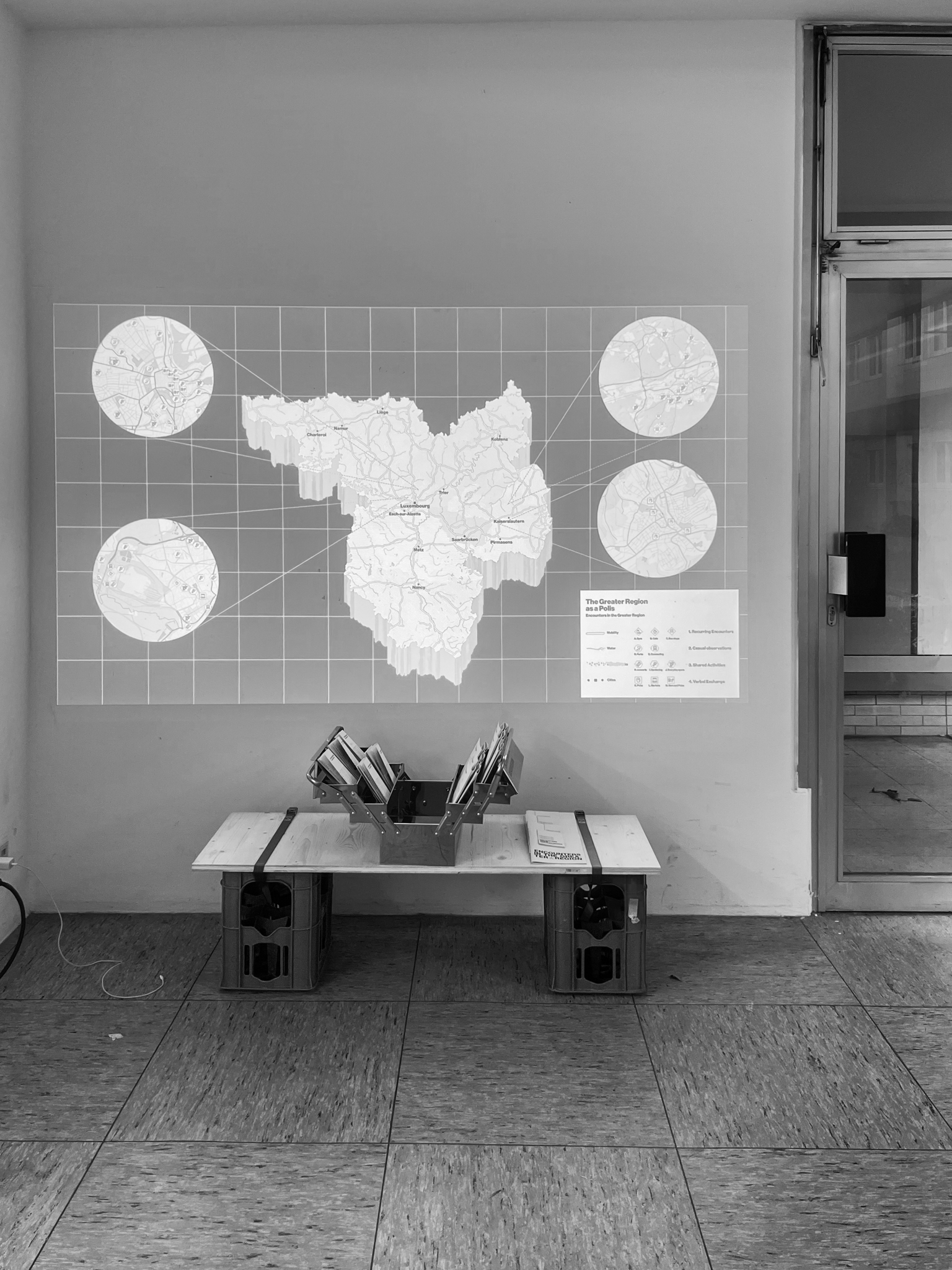
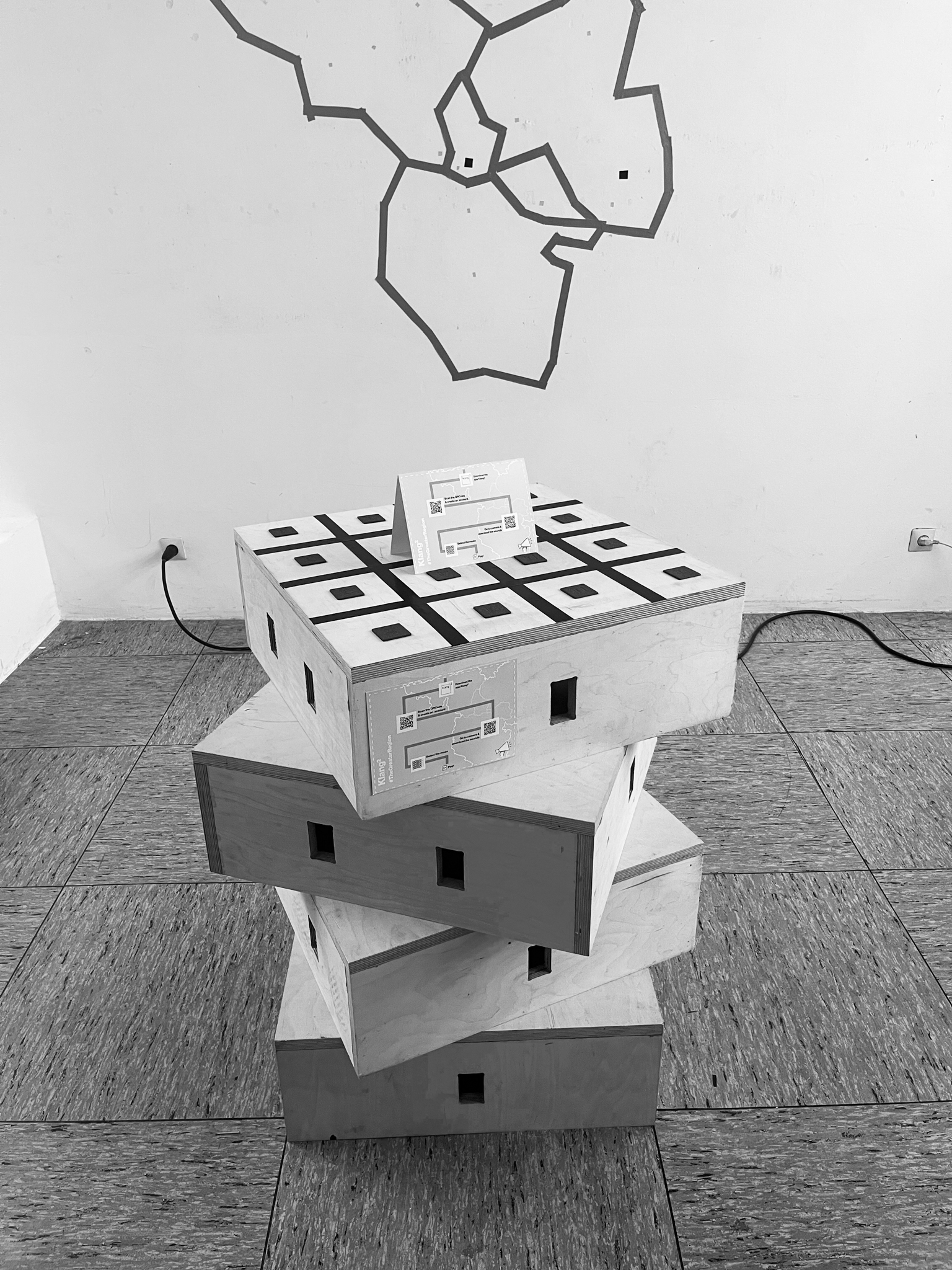
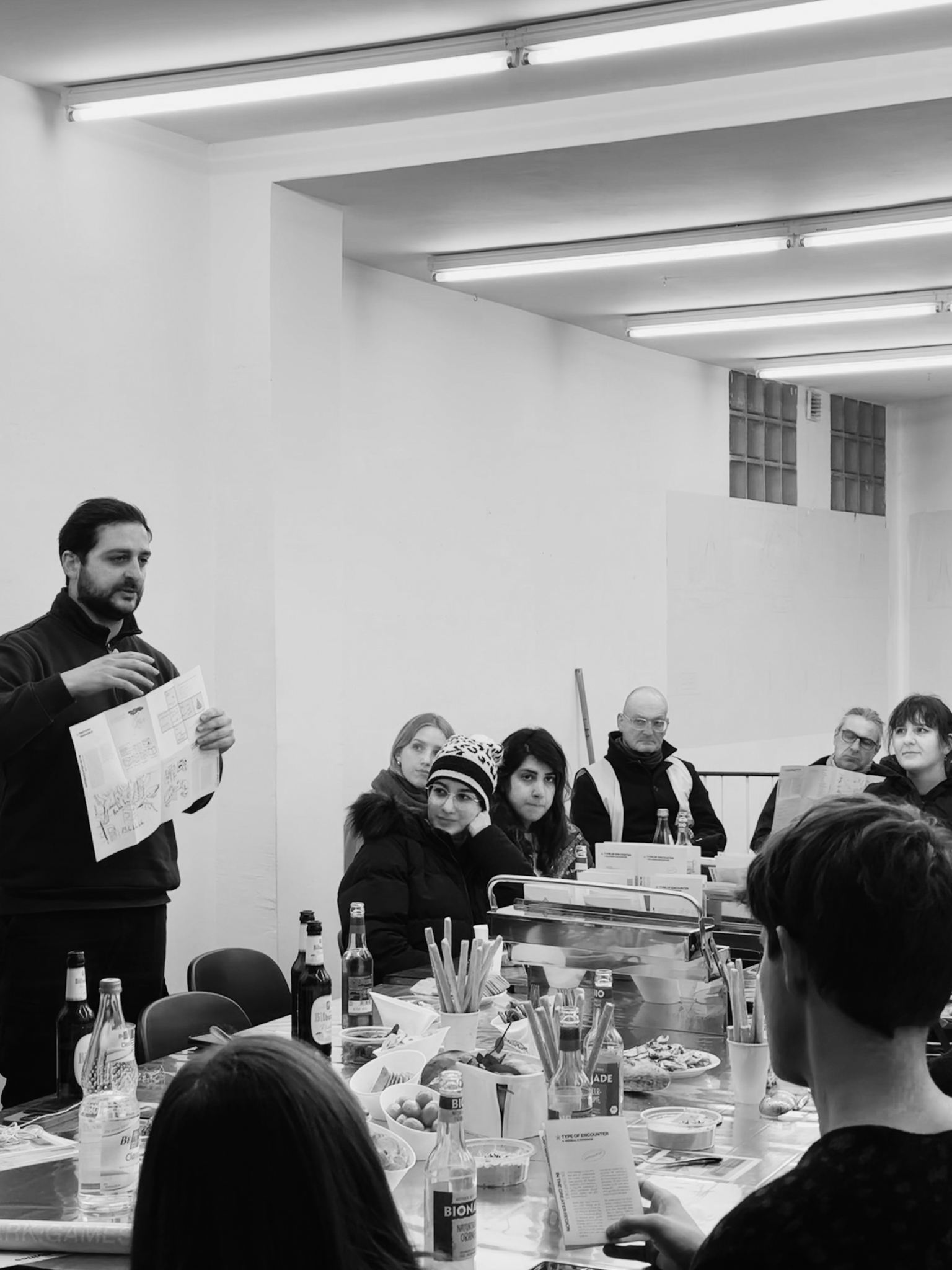
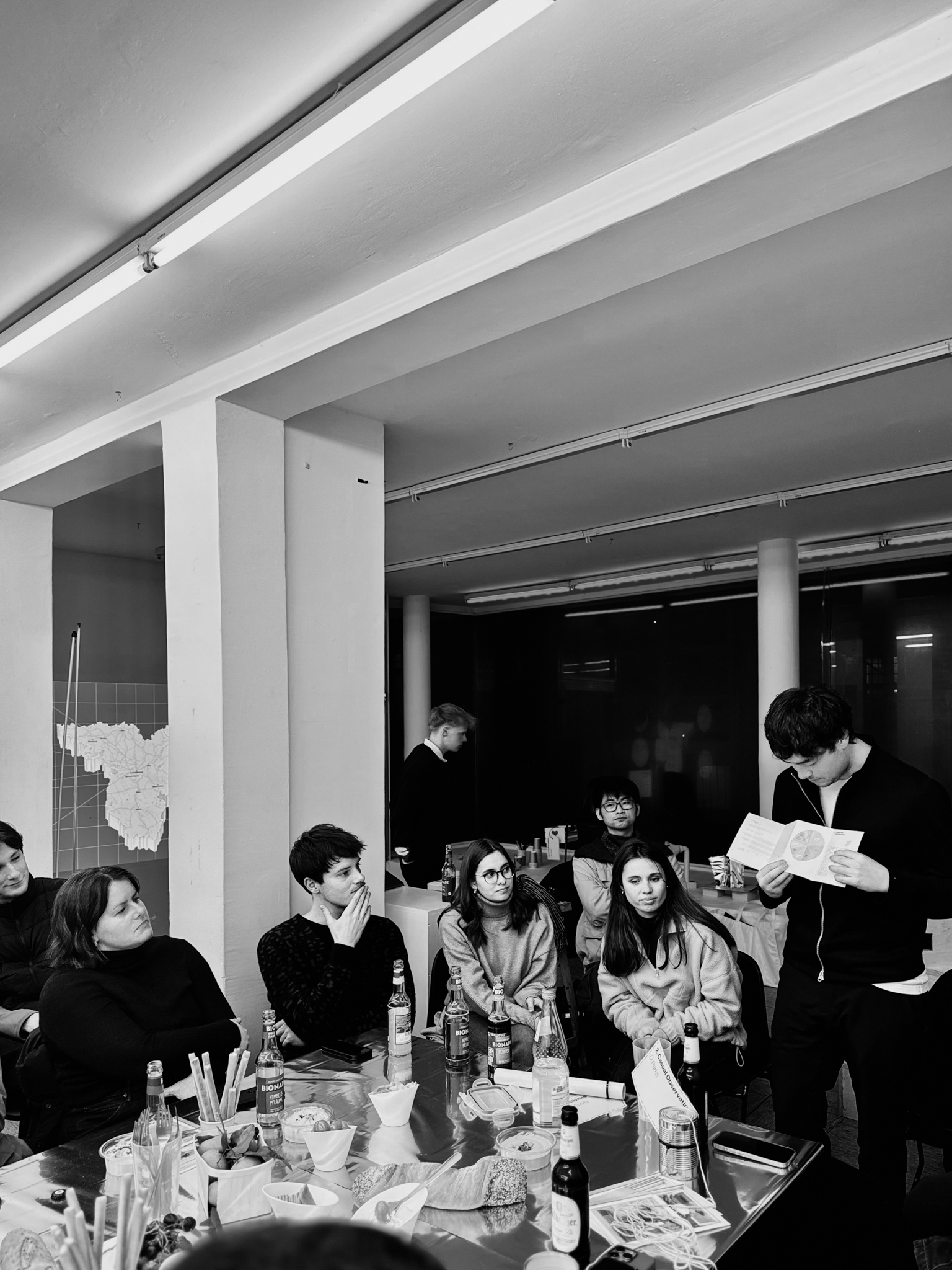
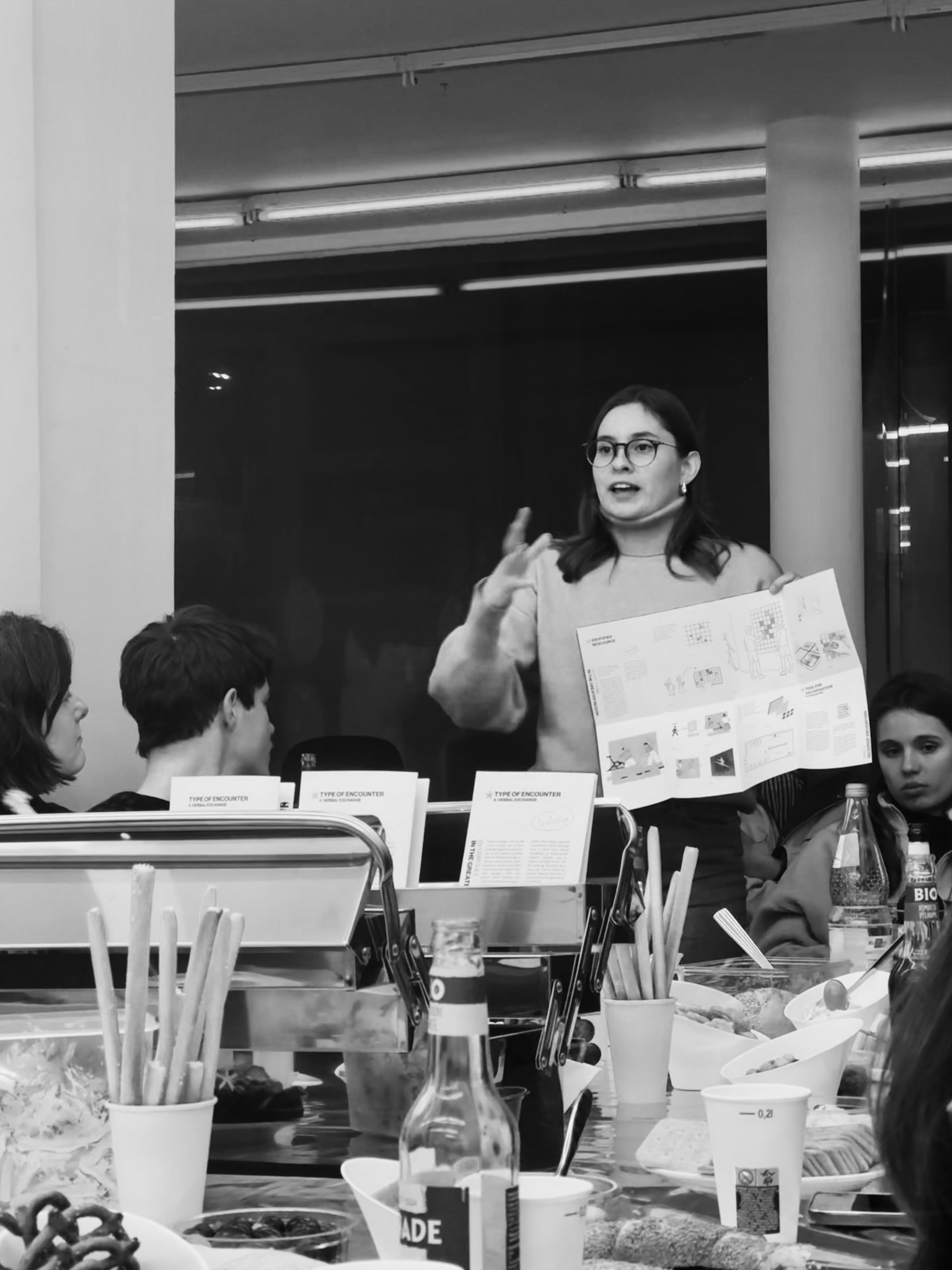
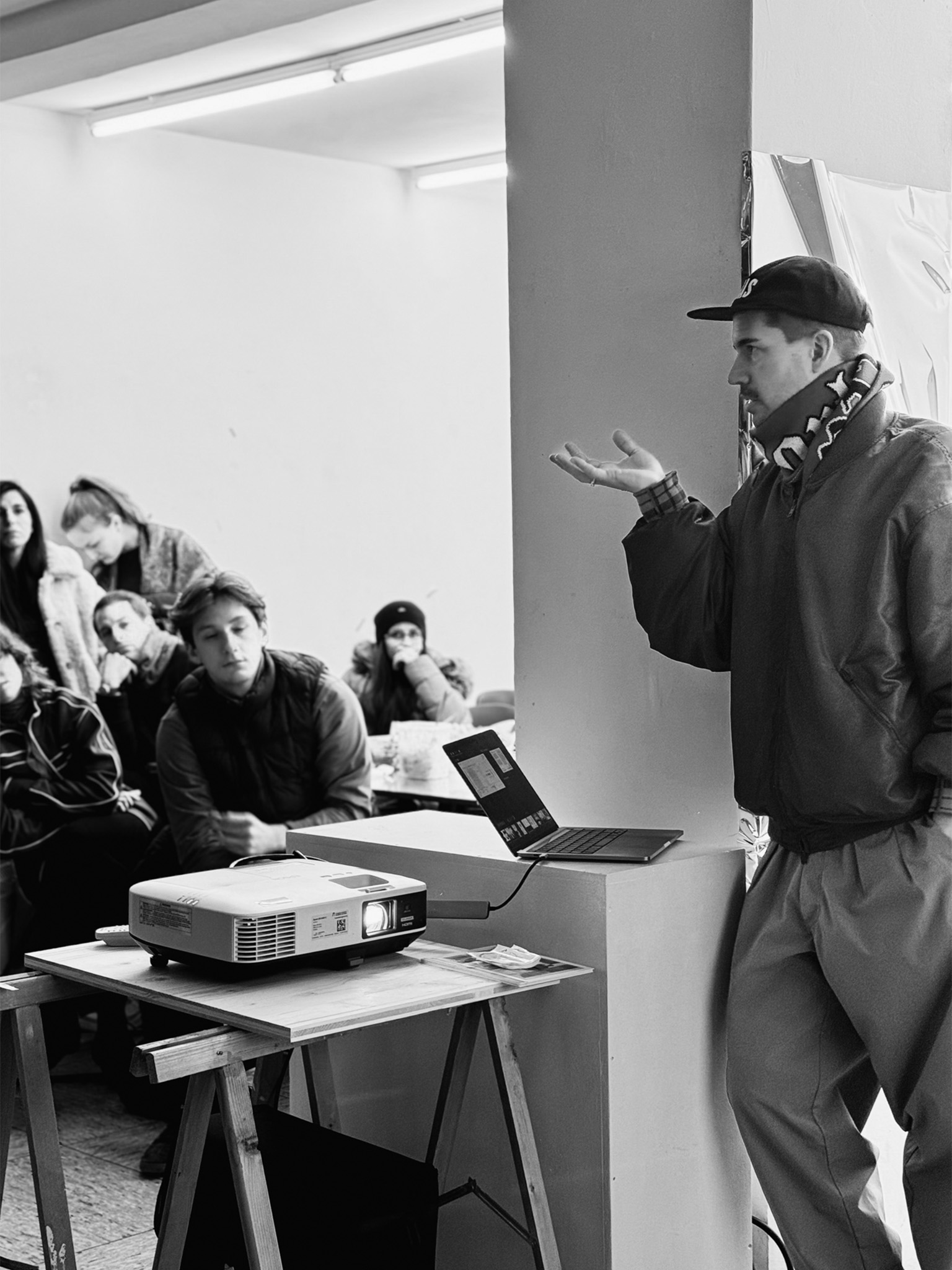
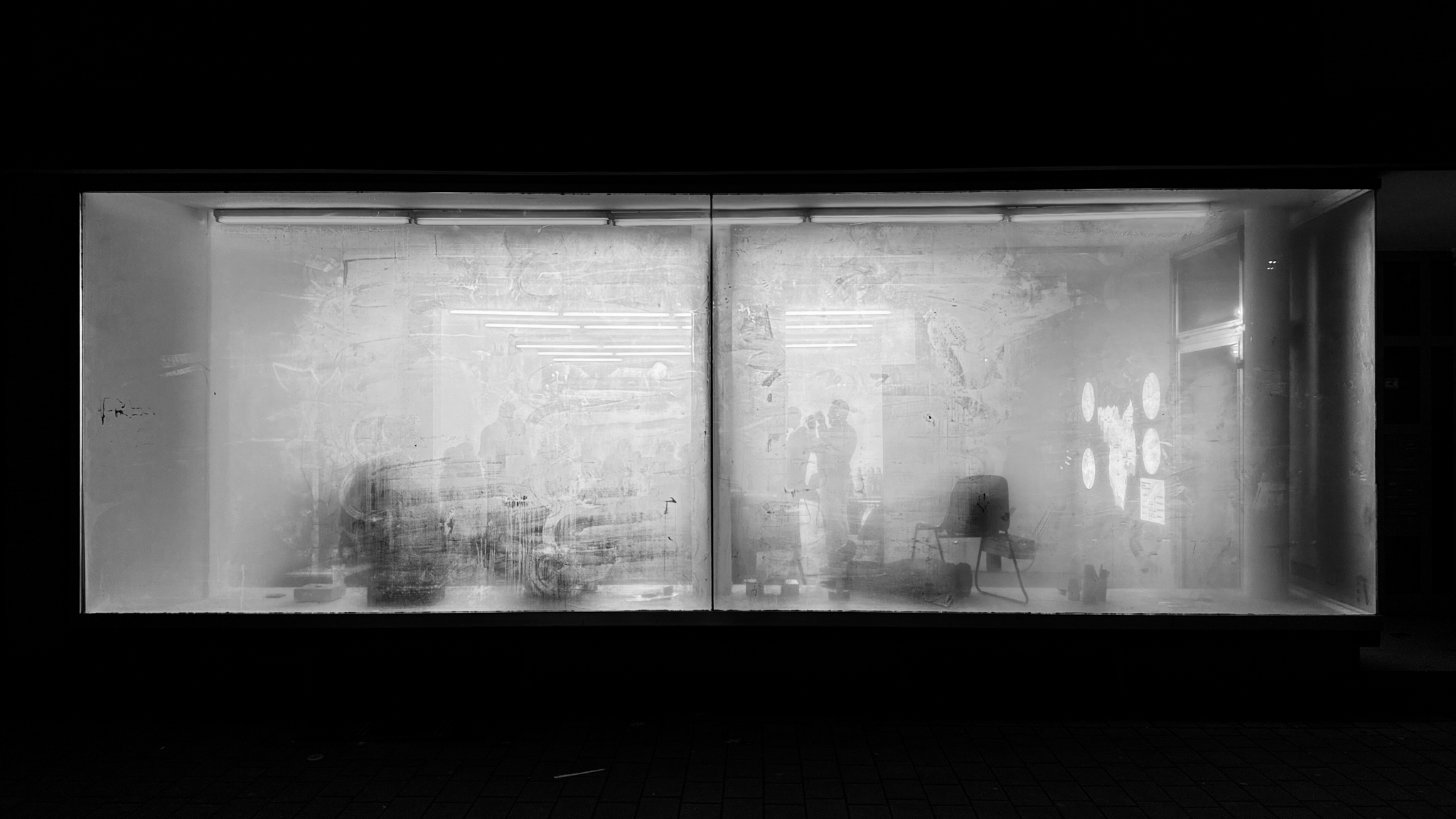
The final event combined an exhibition with a shared dinner and a “Toolbox Party”. Visitors were invited to experience an immersive sound-based memory game, a large-scale projected mapping of encounter typologies, and eleven newly developed tools designed to spatially activate different forms of encounter. During the shared dinner, students presented their prototypes and manuals in an informal setting, encouraging dialogue between students, researchers, cultural practitioners and the wider public.
The event showcased the Uni-GR Toolbox as a tangible outcome of the project: a curated, analogue toolkit that translates research on encounters into transferable, scalable tools for use beyond academia – from local neighbourhoods to the scale of the Greater Region.
Announcement Workshop 2
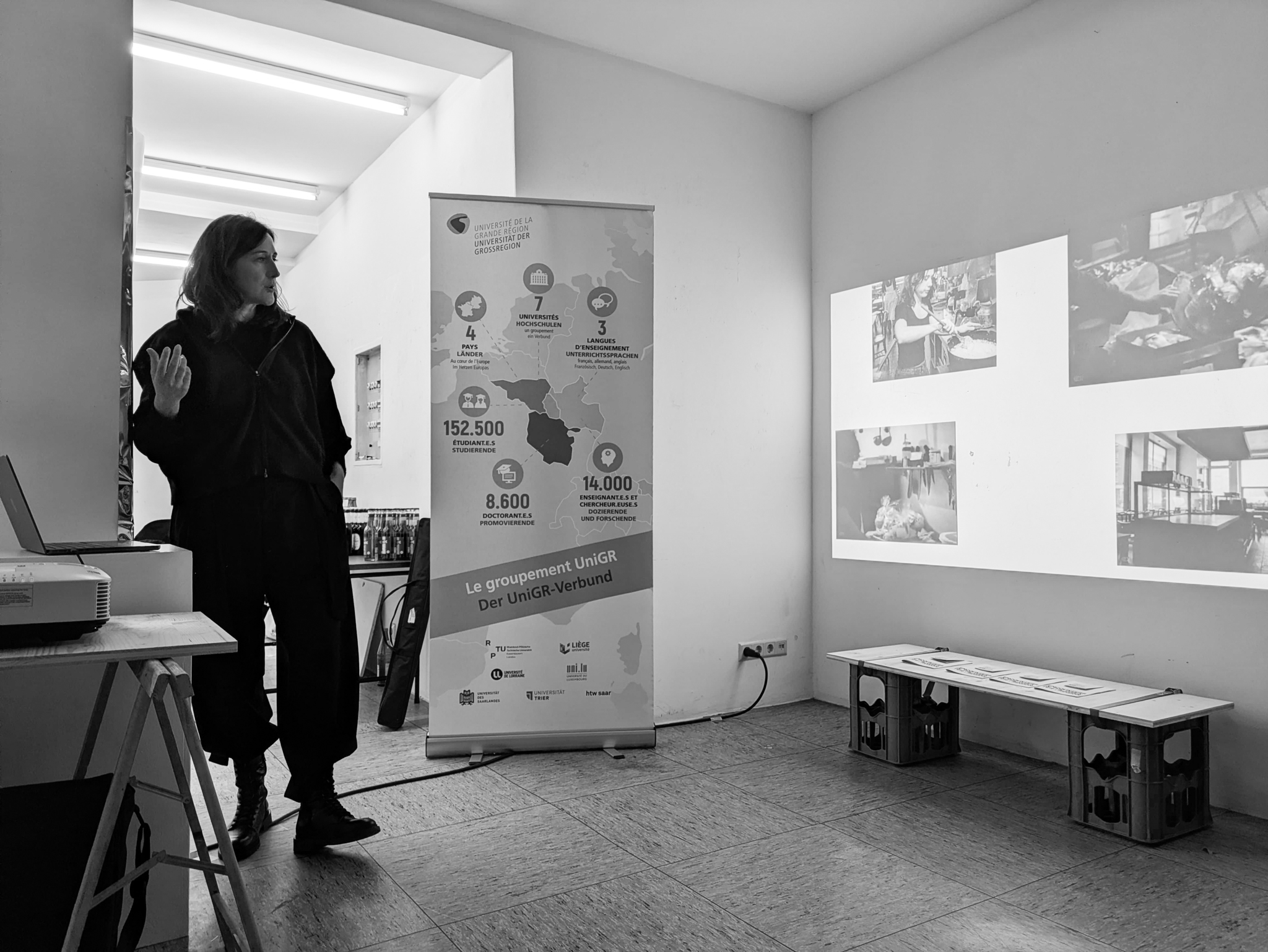
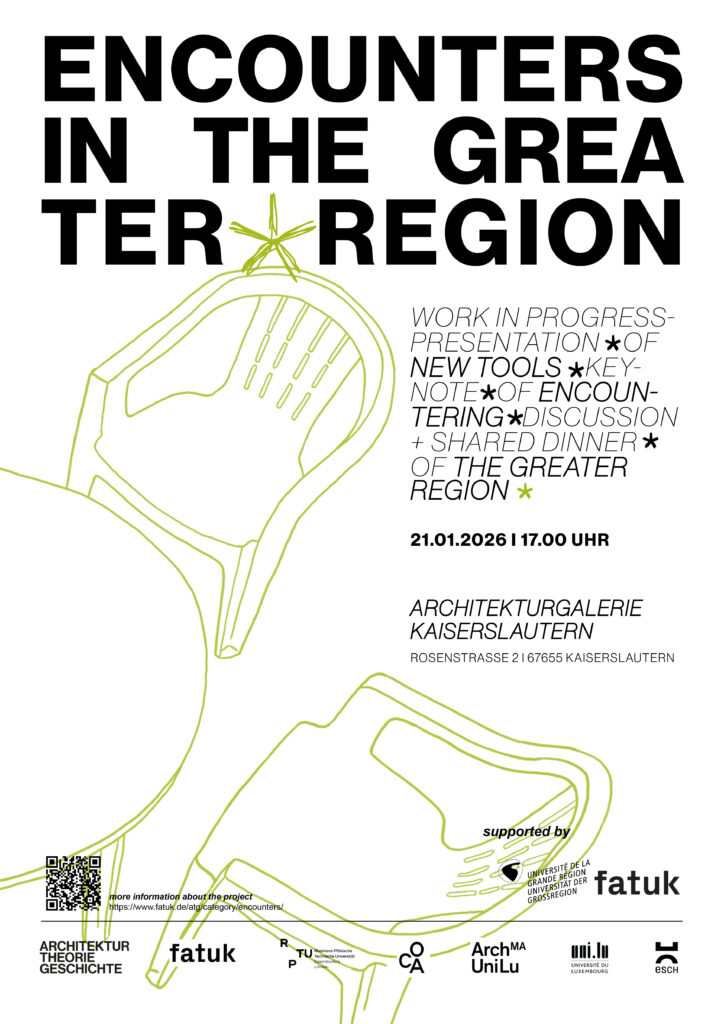
Dr. Marie Enders, UniGR Visiting Professor from RPTU Kaiserslautern, who is spending her visiting period at the University of Luxembourg, is organizing her closing event as part of the UniGR visiting professorship.
The presentation and discussion of the project outcomes will take place on Wednesday, 21 January 2026, from 5:00 pm at the Architekturgalerie Kaiserslautern, Rosenstraße 2.
Since October 2025, the UniGR Visiting Professorship has brought together 29 students to explore the intangible resource of encounter and its material instruments across the Greater Region. The project was accompanied by a range of invited inputs and guest critiques from the fields of architectural sociology, cultural studies, media-, graphic- and game design.
The aim was to identify and analyse encounters in the Greater Region and, building on this, to develop strategies and architectural tools that activate four distinct types of encounters in a specific, productive, and democracy-strengthening way.
The public event is conceived as a shared dinner, inspired by the format of traditional Tupperware parties, and marks the conclusion of this intensive working phase. In an informal setting, students will present their developed tools and invite visitors to discuss, test, and further reflect on them together.
Alongside short presentations, there will be space for open exchange. Depending on the course of the evening, a short keynote may be included; the format is intentionally open and dialogical.
Visitors are also invited to explore a large-scale map of the Greater Region featuring analysed sites of encounter, as well as to try out a specially developed memory game from the „Klang2„-series, which captures encounters through sound.
The evening is open to the general public as well as to students, researchers, and colleagues from architecture, urban studies, and the cultural and social sciences.
Imperfect Assemblies
December 9, 2025 Dr. César Reyes Nájera
Postdoctoral Researcher, University of Luxembourg
format: Forschungswerkstatt 2025/26
FORSCHUNGSWERKSTATT AND UNIGR
On December 9, the third session of the ATG format „Forschungswerkstatt“ took place at the department.
Our guest speaker was already familiar to us through the collaboration within the UniGR guest professorship project “Encounters in the Greater Region”: Dr. César Reyes Nájera is an architect, postdoctoral researcher at the University of Luxembourg, and co-founder of the publishing house dpr-barcelona. In his work, he investigates urban social dynamics and degrowth strategies in order to critically reframe the concept of sustainable development.
IMPERFECT ASSEMBLIES
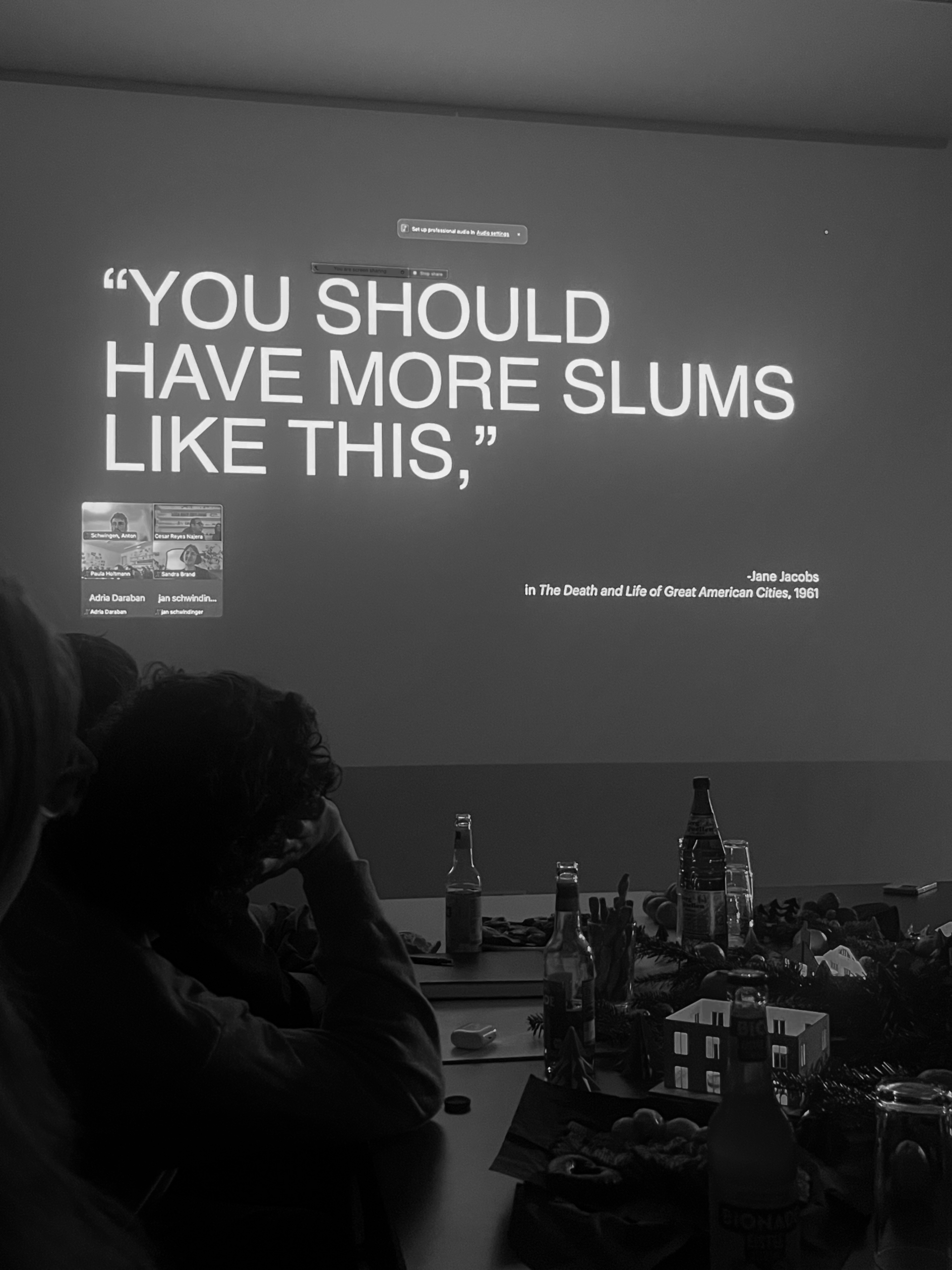
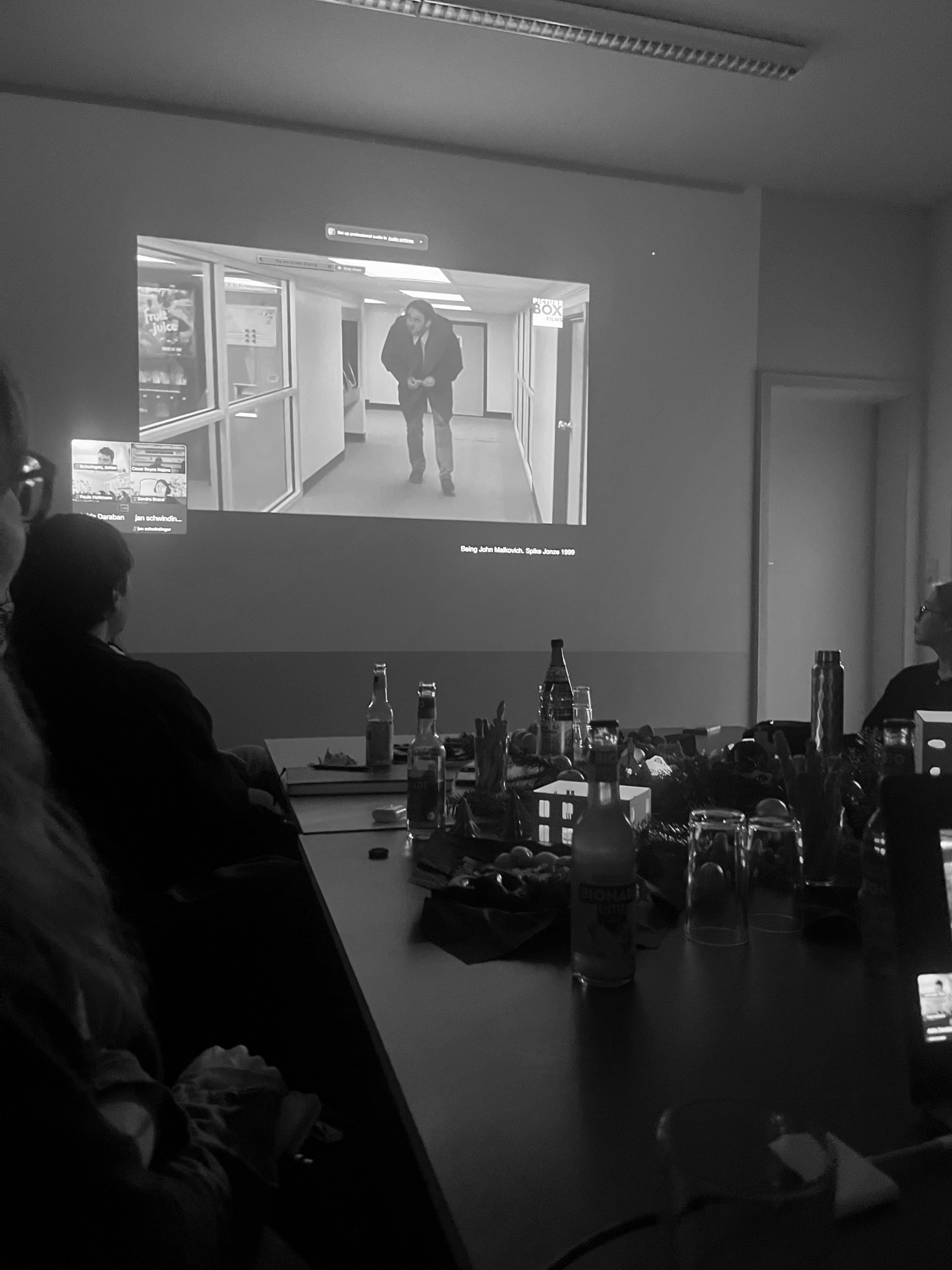
In his lecture “Imperfect Assemblies”, Dr. Reyes Nájera explored the hidden tensions, alliances, and everyday negotiations that shape urban life. He discussed how architecture can act as a mediator in democratic conflicts and stimulate new forms of urban care and civic engagement. This final event before the Christmas break was accompanied by an informal pre-Christmas gathering. A space of encounter was created that could hardly have been more fitting to the topic of the lecture and the spirit of the guest professorship.
SYNERGIES
The Research Workshop offers the opportunity to present and discuss ongoing projects within an interdisciplinary framework. This special edition, combined with the UniGR guest professorship “Encounters in the Greater Region”, aimed to identify and newly combine content-related synergies through the overlay of both formats.
This semester, the „Forschungswerkstatt“ is organized by Sandra Brand, Adria Daraban, Marie Enders, Paula Holtmann, and Marc Nötges. Further information on upcoming dates and the format of the „Forschungswerkstatt“ can be found here:
https://www.fatuk.de/atg-forschungswerkstatt/
Workshop 1
November 24-26, 2025
Excursion to Esch-sur-Alzette, Luxembourg
Workshop at Cultures of Assembly (COA) and Campus Belval
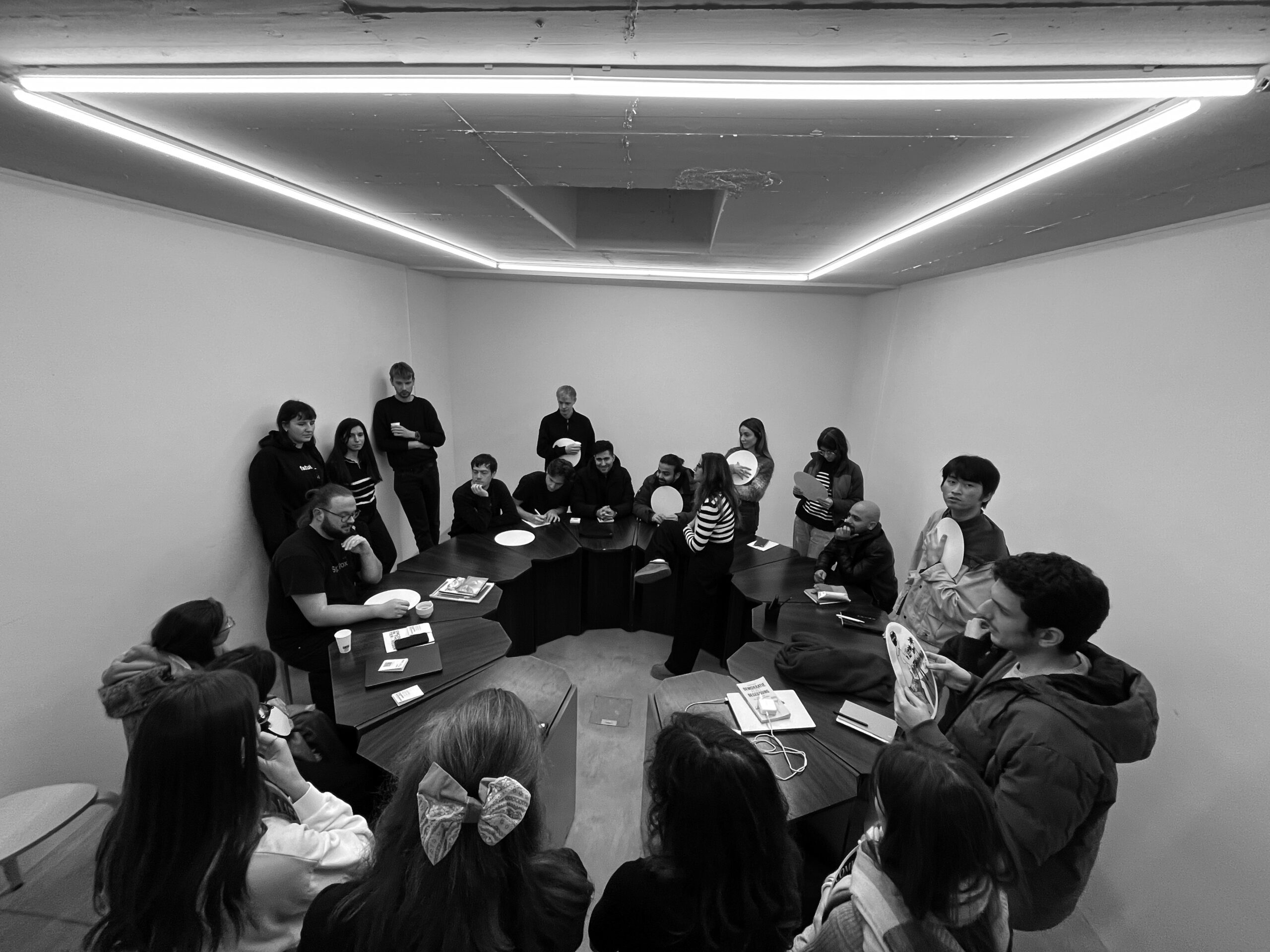
From November 24 to 26, 2025, a joint workshop with students from both universities and experts took place at the COA showroom in Esch-sur-Alzette.
GET TOGETHER – Discussion of Findings from Phase 1
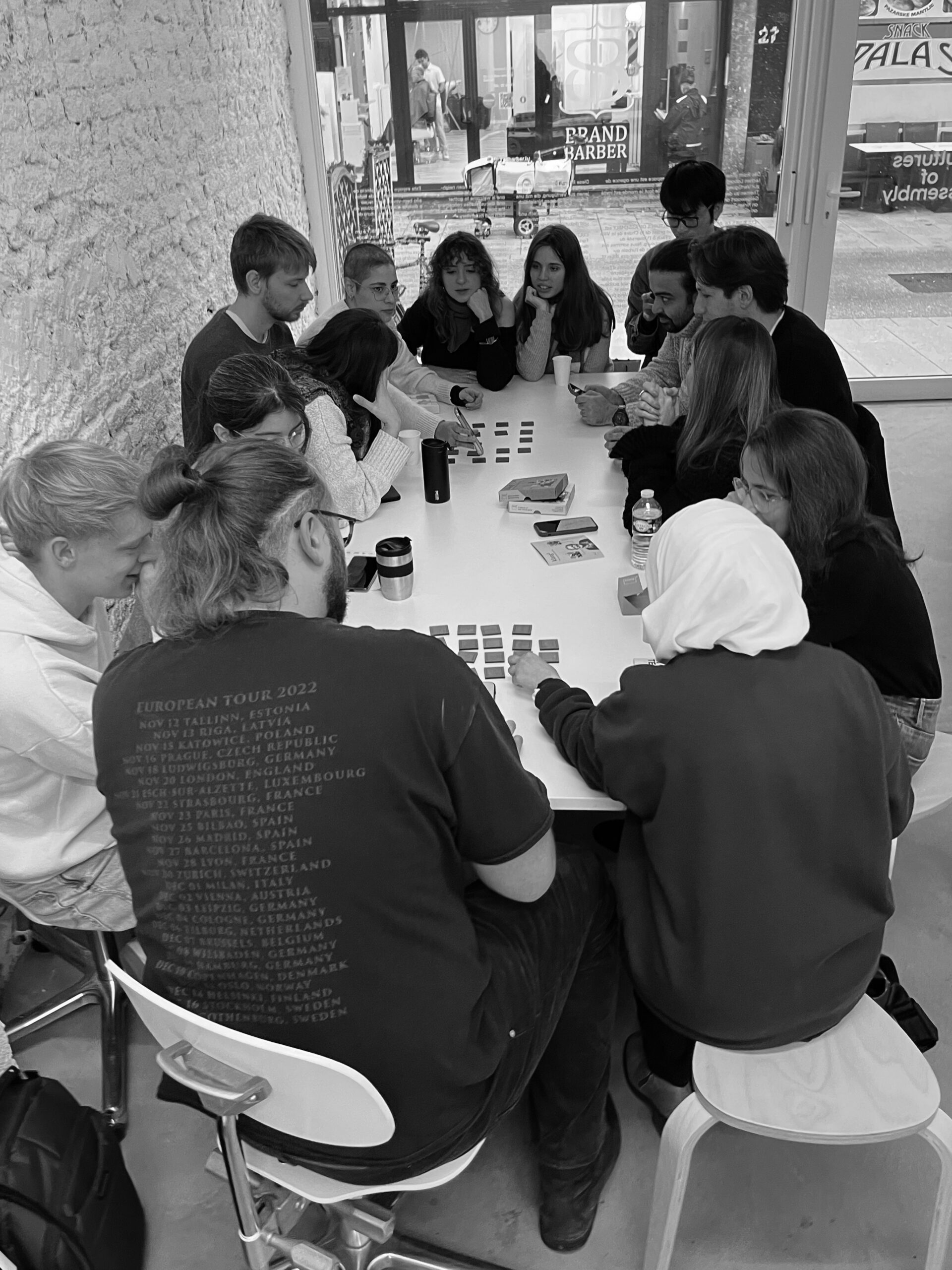
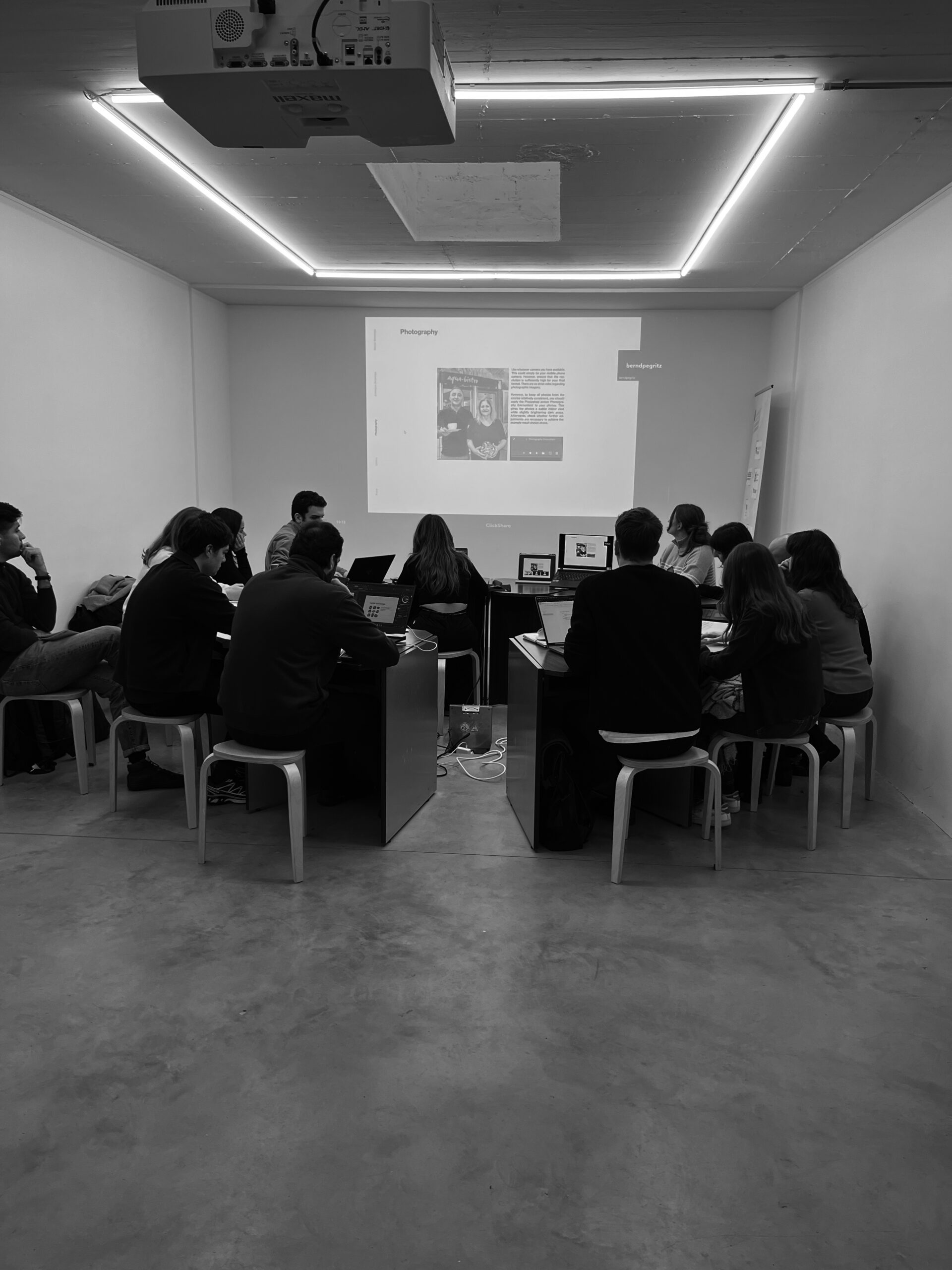
On the first day, the students exchanged ideas in groups and discussed the identified forms of encounter online with Rainald Manthe. In addition, team-building games were held, allowing both groups of students to get to know each other better and to exchange their results on the same topic in preparation for the workshop.
WORKSHOP –Focus on Phase 0
The second day was devoted to creating cartographies and developing a game edition (inspired by the game collection klang2 (more info). The students were accompanied in their creative work by illustrator Bernd Pegritz. In the evening, the students discussed the artistic research work „Hinter-Räume der Demokratie“ (translated in english: Back Rooms of Democracy) with art historian Anke Kreamer and photographer Markus Bredt, guests of The Esch Clinics, moderated by Dr. Cesar Reyes and Prof. Dr. Markus Miessen (more info).
MID-CRIT – Transition from Phase 1 to Phase 2
On the third day, the analyses were translated into initial architectural and planning strategies in the sense of tool development. The final colloquium was held with Dr. Marie Enders, Prof. Dr. Adria Daraban, Prof. Dr. Markus Miessen, and guest critics Astrid Fries, architectural sociologist and neighborhood manager in Koblenz, and Carine Oberweis, architect and Honorary Consul of the Republic of Ghana in Luxembourg. Astrid Fries also gave a keynote speech on the practical relevance of developing strategies and methods that are understood as tools that need to be applied and tested in practice.
OUTLOOK – Towards a successful Phase 2
The first joint workshop has thus already opened up new encounters in the Greater Region and shown that an international and diverse region can only be developed through shared knowledge. A second workshop is therefore planned for spring 2026 as a follow-up in Kaiserslautern.
Further articles:
http://www.masterarchitecture.lu/Guest-Professor-Dr-Marie-Enders_283_0.html
Kick-off
October 29, 2025
online
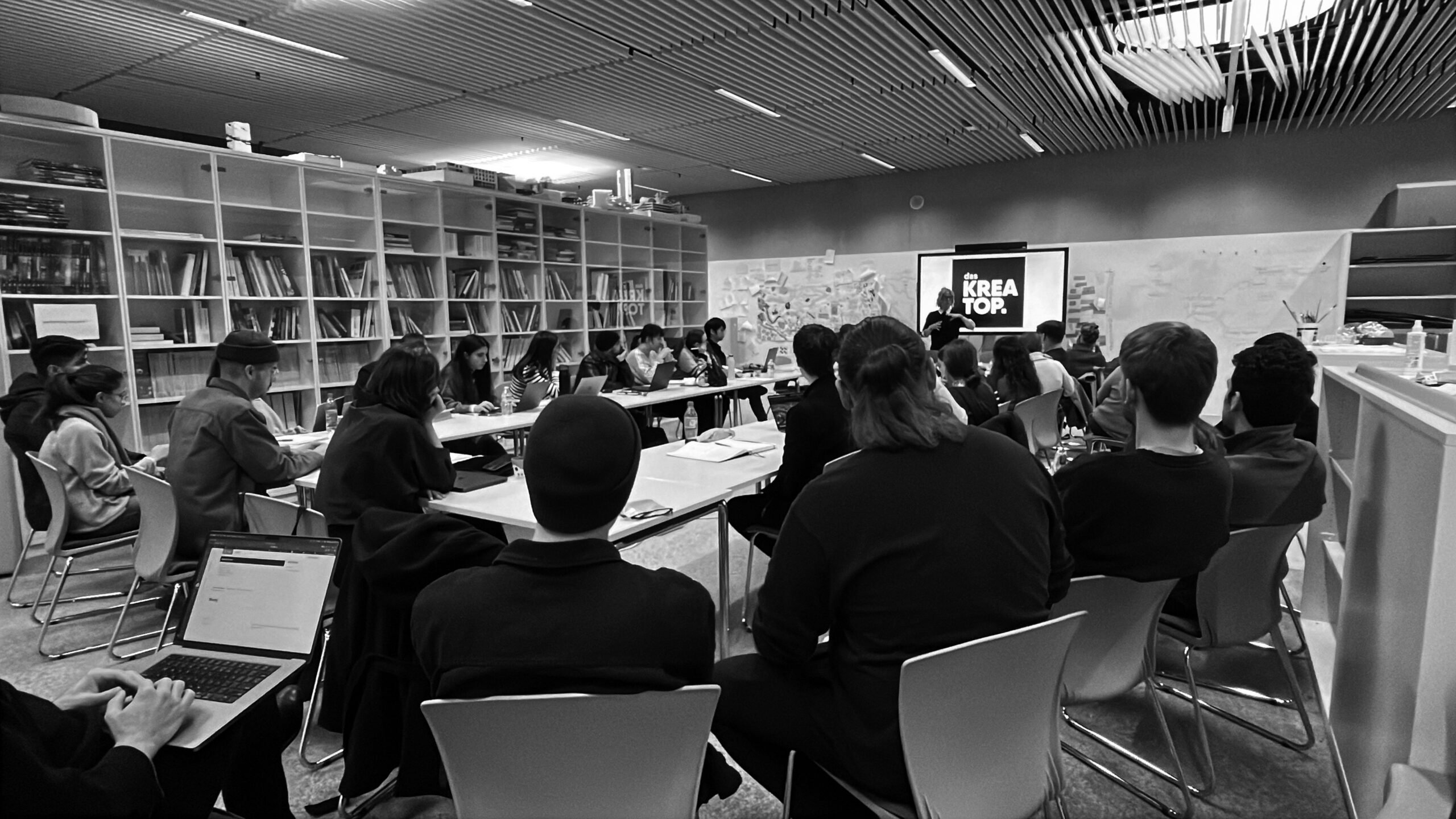
As part of the guest professorship of Dr. Marie Enders , 29 students from Luxembourg and Kaiserslautern are working together in a transnational tandem seminar using artistic and research-based approaches.
INPUTS – sound as a methodological tool
The seminar began on October 29, 2025, with a digital kick-off event led by Marie Enders in which students received two inputs serving as examples for developing their own tools to capture encounters in specific places. Both inputs shared a common focus on sound as a methodological tool:
The first input was given by Udo Noll, media artist, who presented his sound-mapping project, accessible via the platform aporee.org/maps.
The second input complemented this perspective: game developers Sebastian Oberlin and Adrian Rennertz introduced their sound-based game collection klang2, demonstrating how a wide range of topics can be made accessible to a broad audience through sound memory games.
STARTING – with Phase 1
Building on these inputs, in a first Phase, students documented self-selected places of encounter in the Greater Region during an initial project phase, combining cartographic and analytical methods. Their categorization was based on four types of encounters identified by sociologist Rainald Manthe in his 2025 key publication “ Demokratie fehlt Begegnung“ (translated in english: Democracy Lacks Encounter): accidental observation, recurring encounters, verbal exchange, and shared activities.